
AI-Generated Digital Influencers
The Future of Virtual Characters and Storytelling
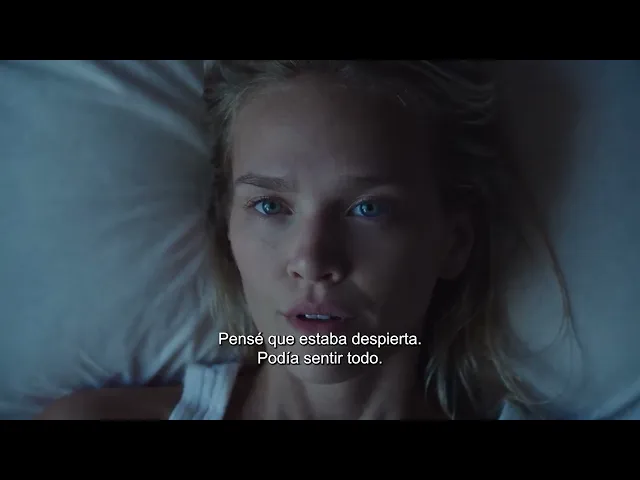
AI-generated influencers are evolving beyond social media personas. Today, they can become virtual actors, brand ambassadors, and protagonists of cinematic stories. Mia Wald is one of them: a digital character created to explore new forms of visual storytelling. Her first short film, A Dream of a Dream, transforms the unsettling experience of false awakenings into a cinematic journey—and marks the beginning of a series exploring sleep disorders through film and generative AI.
Digital influencers were largely seen as an internet novelty: computer-generated characters with social media profiles and carefully constructed fictional identities. The rise of generative artificial intelligence, however, is rapidly changing that perception. Today, AI-generated digital influencers can maintain a consistent visual identity, appear in branded campaigns, engage with online communities, and—perhaps most importantly—become characters capable of inhabiting complex narrative worlds.
Their potential now extends far beyond influencer marketing. Digital characters are beginning to occupy a distinct space across film, advertising, fashion, gaming, and immersive experiences. This evolution raises a question far more compelling than whether an avatar can replace a real person: What kinds of stories can we tell with a character born entirely inside a digital universe?
What Are AI-Generated Digital Influencers?
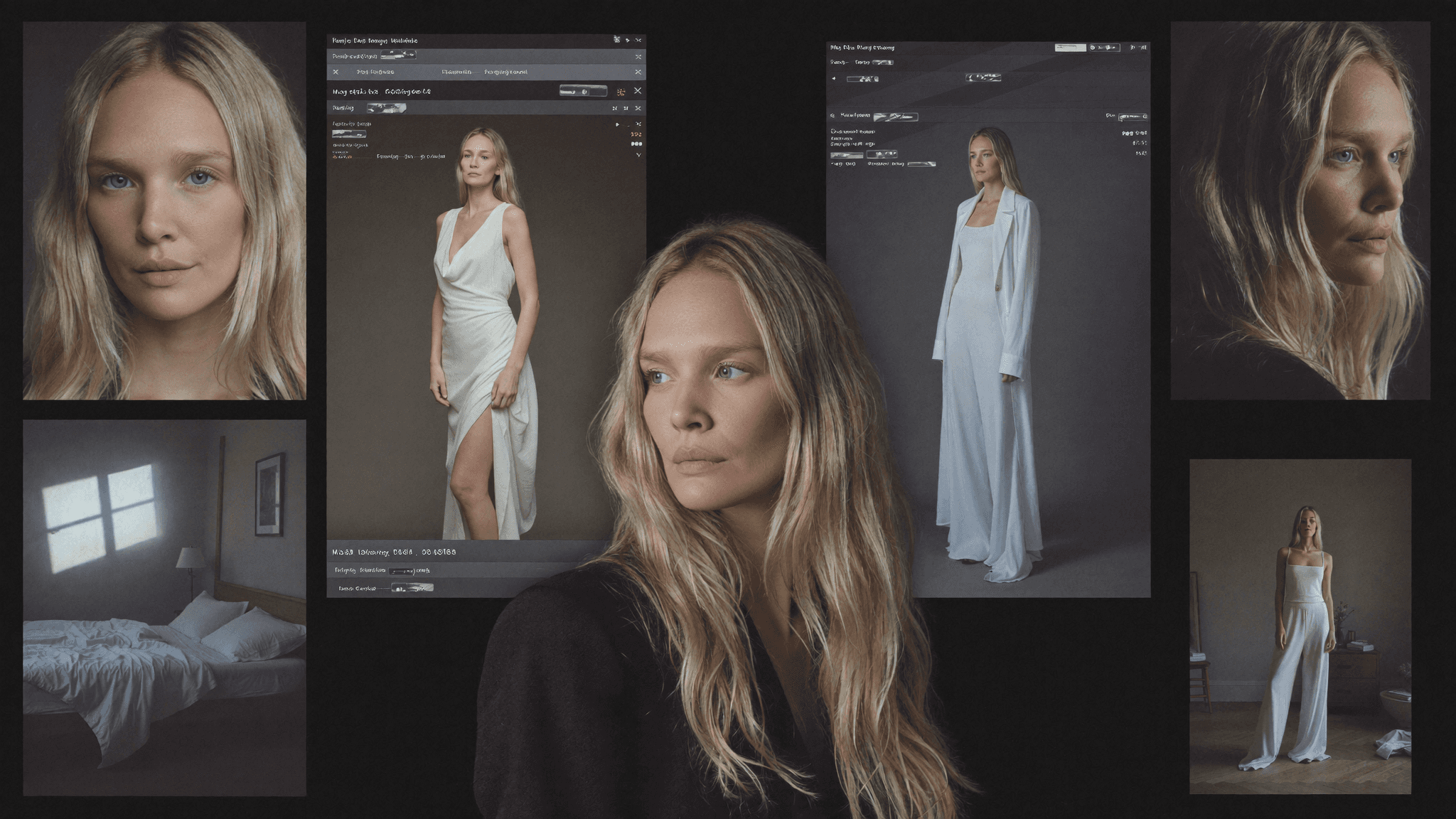
An AI-generated digital influencer—also known as a virtual influencer, AI influencer, or artificial character—is an identity created partially or entirely through digital technology. Its production may combine 3D design, CGI, photography, animation, generative AI, synthetic voice, and AI video tools.
Some of these characters operate primarily as social media personalities and collaborate with brands. Others are conceived as virtual actors, fictional protagonists, or transmedia identities capable of appearing across multiple platforms and formats.
The defining factor is not simply how their image is generated. A consistent digital character needs a recognizable identity: an appearance, personality, voice, history, motivations, and its own visual language. Technology can render the character, but art direction and storytelling are what make the character feel alive.

A Rapidly Expanding Market
The rise of virtual influencers is part of a much broader transformation affecting the creator economy and audiovisual production. Market estimates vary depending on which technologies and services are included, but the overall direction is clear. Grand View Research projects that the global virtual influencer market could reach $45.88 billion by 2030, growing at a compound annual growth rate of 40.8% from 2025 to 2030. A separate analysis by KBV Research estimates a market value of $37.8 billion by 2030.
Although the figures differ because of their methodologies, both forecasts point to significant growth. Brands, studios, agencies, and production companies are beginning to view digital characters not merely as campaign assets, but as creative intellectual property that can be developed over time.
Several factors are driving this shift:
Visual and narrative continuity: One character can appear in campaigns, short films, social content, and interactive experiences while maintaining a coherent identity.
Global scalability: A virtual character can be adapted to different languages, platforms, and territories without losing its core personality.
Intellectual property development: Rather than representing a single campaign, a character can become the center of an expanding fictional universe.
Creative experimentation: Digital characters can inhabit dreams, memories, impossible environments, and subjective states that would be difficult to produce through conventional methods alone.
Production flexibility: Generative AI workflows can accelerate visual exploration, prototyping, and the creation of multiple narrative or aesthetic variations.
This does not make human creativity less relevant. In fact, as AI tools become more accessible, the value of a distinctive artistic vision becomes even greater. Direction, taste, emotional intelligence, and narrative intention are what separate a meaningful character from an endless stream of generated images. AI expands the available visual language; it does not replace the human purpose behind the work.

From Virtual Influencer to Digital Actress: Meet Mia Wald
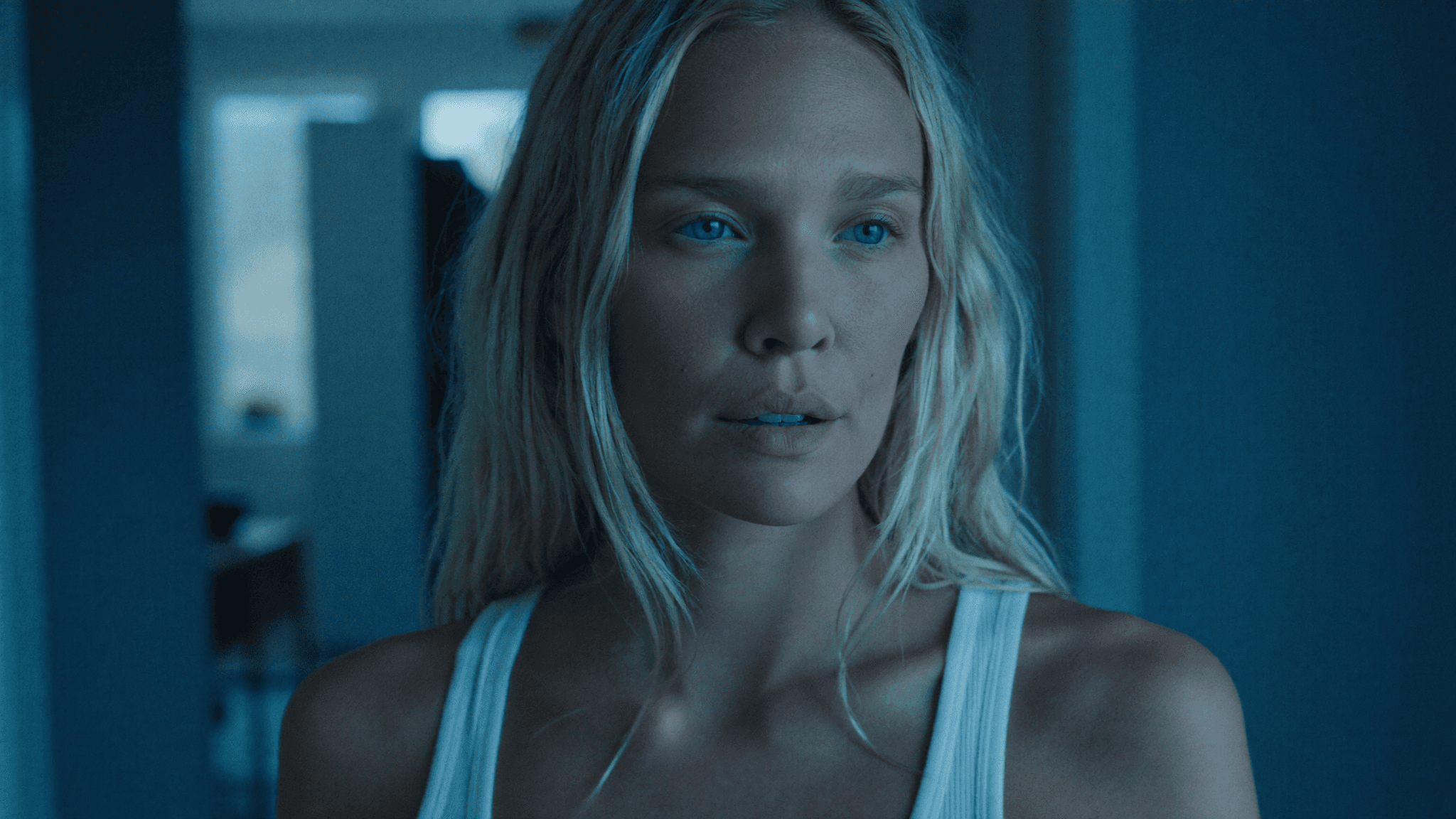
Mia Wald was created as a digital character, but her development was never intended to stop at social media. She was conceived as a virtual model and actress—someone who could lead stories, move between visual worlds, and evolve through each new project.
Her first short film, A Dream of a Dream, explores the experience of false awakenings: moments in which a person believes they have woken up and begun their day, while they are actually still dreaming.
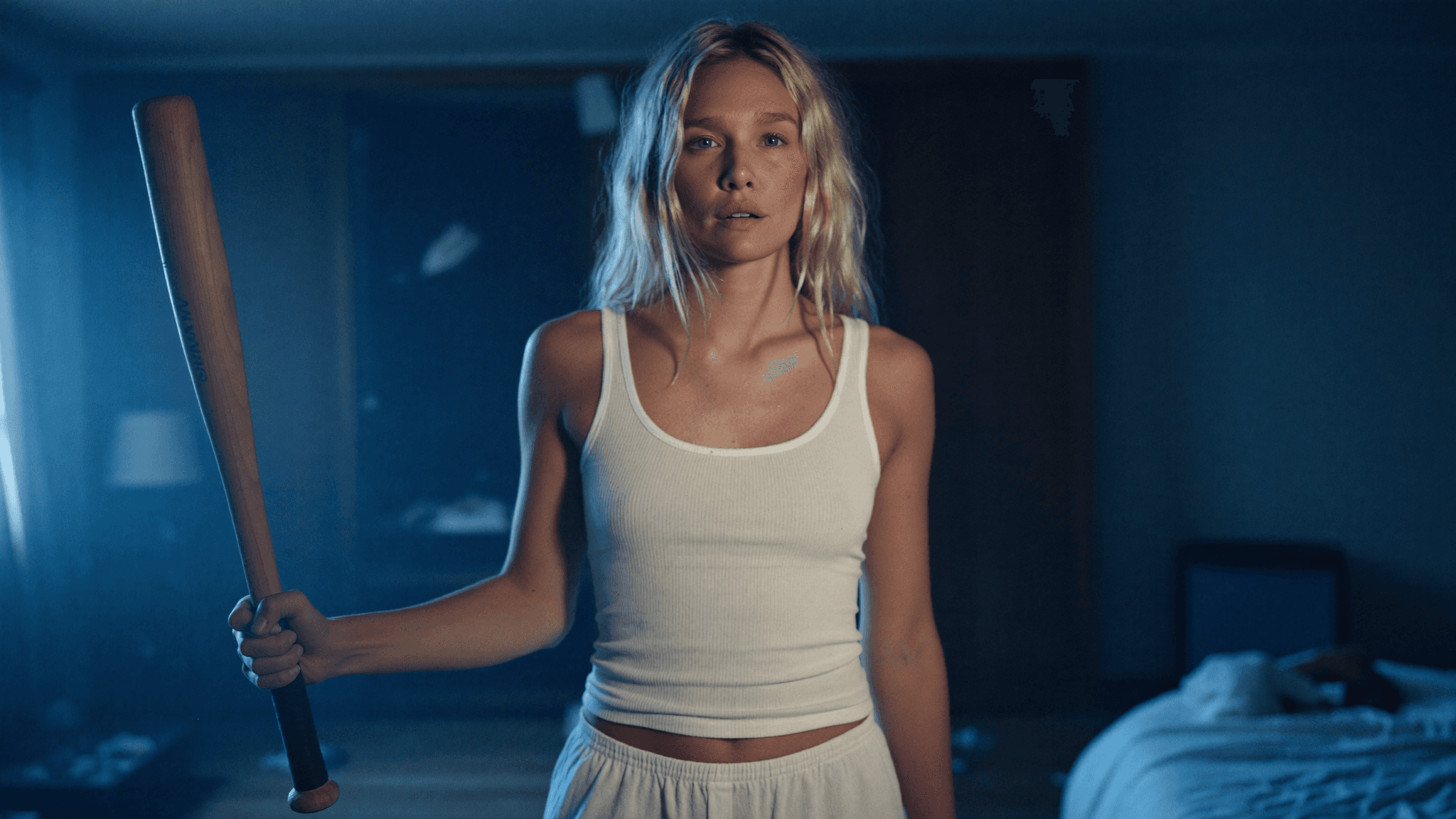
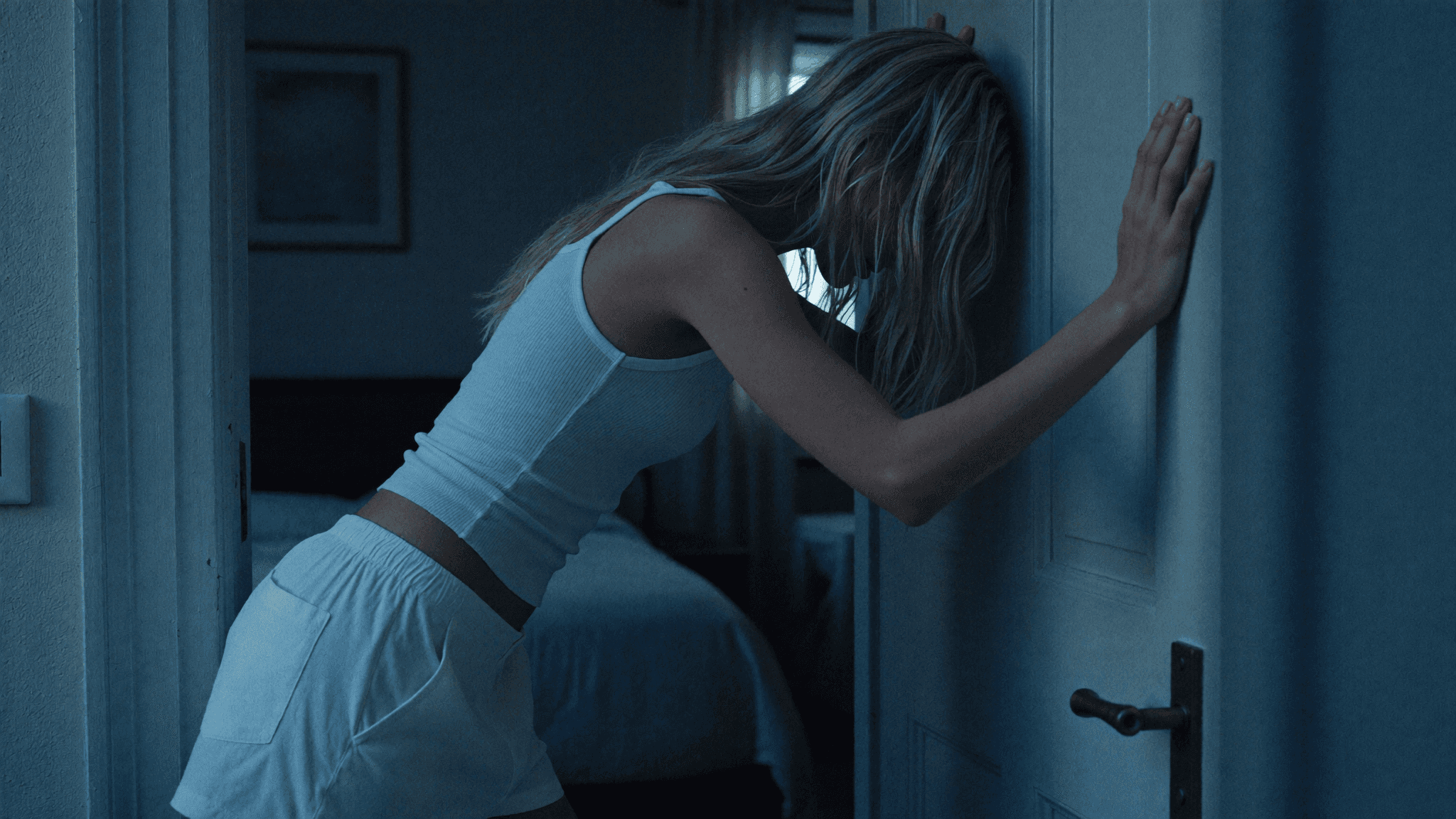
Throughout the film, Mia wakes repeatedly inside an environment that initially appears ordinary. With each new awakening, subtle changes, repetitions, and disruptions begin to erode her sense of reality. The bedroom stops feeling safe and gradually becomes a psychological maze. A hyperreal, cinematic visual language brings the audience closer not only to the definition of a false awakening, but also to its emotional intensity.
The project illustrates one of the most compelling possibilities of AI-generated characters: their ability to exist beyond a post, profile, or advertising campaign. Mia is not merely a digital image. Within the film, she becomes a performer carrying the audience through a subjective experience.
What Is a False Awakening?
A false awakening happens when someone dreams that they have woken up. Their bedroom, surroundings, and everyday actions may feel so realistic that recognizing the experience as a dream becomes extremely difficult.
Scientific research into false awakenings remains limited, partly because the episodes are difficult to induce and observe in a sleep laboratory. Studies of intermediate states of consciousness connect them with other REM-related phenomena, including lucid dreaming and sleep paralysis. A 2021 neurophysiological study found that brain activity during the false awakenings it examined more closely resembled a dreaming state than wakefulness.
There is currently no definitive estimate of how many people experience false awakenings in the general population. The absence of a reliable prevalence figure does not mean that the phenomenon is exceptionally rare. Many people describe similar experiences without knowing their name, while others may confuse them with nightmares, lucid dreams, or sleep paralysis.
Naming an experience can be the first step toward understanding it. It can also reduce the sense of isolation that may arise when someone goes through an intense episode and assumes they are the only person who has ever felt it.
Using AI Filmmaking to Translate Invisible Experiences
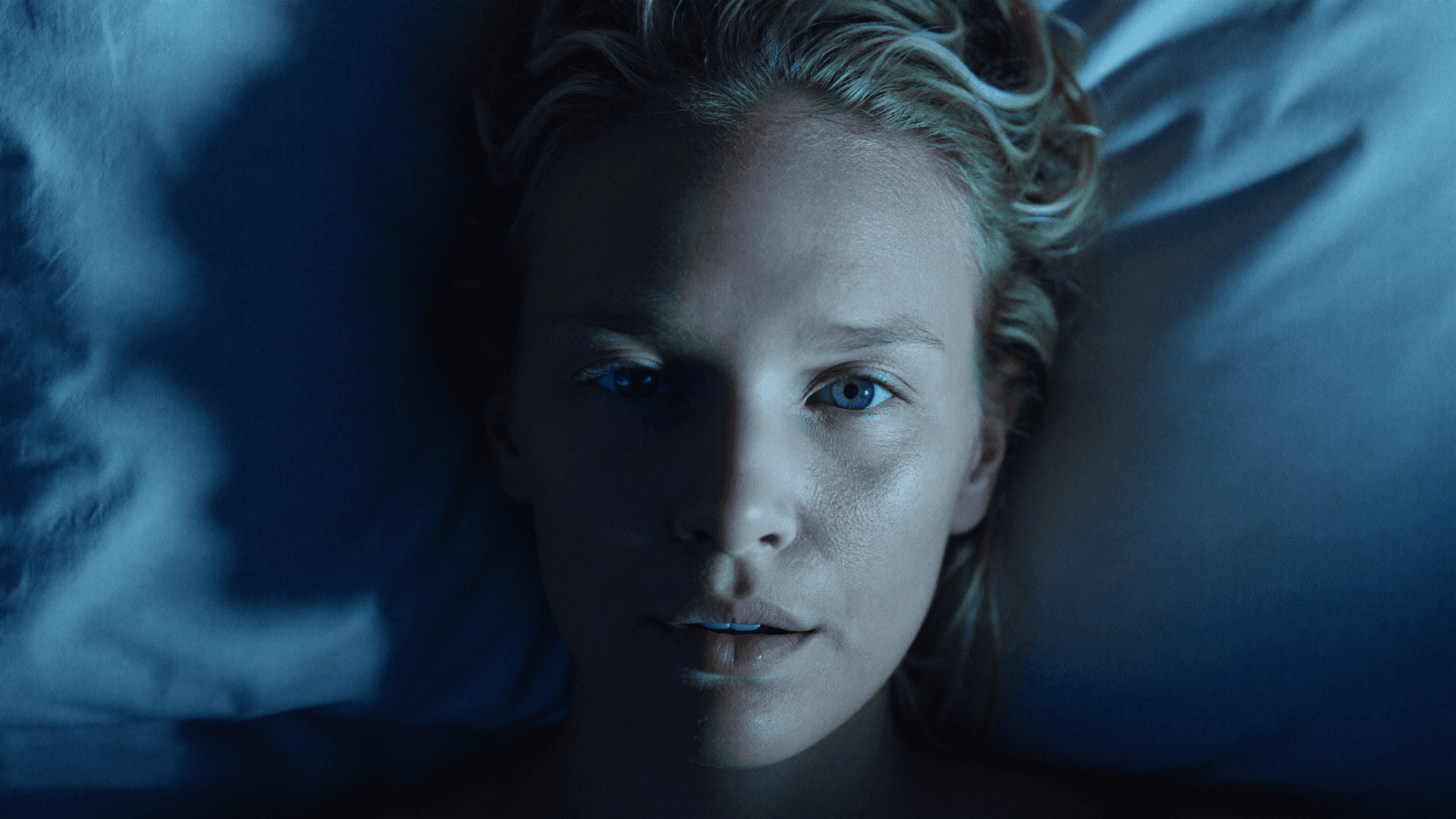
A Dream of a Dream is intended as the starting point for a series of short films starring Mia. The broader project will explore different sleep-related phenomena and disorders through cinematic visual experiences.
The goal is not to illustrate symptoms literally or replace medical information. Instead, the films use audiovisual storytelling to translate internal sensations that are often difficult to explain: repetition, loss of control, confusion between dreaming and waking, distorted time, and the inability to fully trust one’s own perception.
Fiction can create a different form of empathy than a clinical definition. When viewers follow a character through the experience, the subject is no longer abstract. Information becomes sensation, atmosphere, and memory.
This is why the intersection of artificial intelligence and filmmaking can offer value beyond technical innovation. It can become a tool for education and awareness, helping underrepresented or poorly understood experiences reach wider audiences without sacrificing artistic ambition.
Why Digital Characters Matter Beyond Marketing
The next phase of AI influencers will likely not be defined by flawless virtual personalities producing content around the clock. Their most interesting value lies in their ability to build continuity, evoke emotion, and sustain stories that extend beyond a single platform.
We are likely to see virtual characters appear in films, partner with brands, interact with communities, and evolve over time. We will also see more hybrid production models in which artists, filmmakers, actors, designers, and AI specialists work together to create identities that no longer fit within one category.
For entertainment companies, a well-developed digital character can function as long-term intellectual property. For brands, it can provide a recognizable ambassador with a controlled visual world. For independent artists, it creates the possibility of building fictional universes and cinematic projects without waiting for every element of a traditional production pipeline to become available.
The real opportunity is not endless content. It is world-building: developing characters with enough emotional and visual coherence to move between stories, platforms, and collaborations while remaining recognizable.
Creativity, Authenticity, and Responsibility
The growth of virtual influencers also introduces legitimate ethical questions. Transparency about the use of AI, respect for the identity and work of real people, and clear communication with audiences will be essential to building trust. An artificial character can be fictional without being deceptive.
Consistency should not be confused with perfection, either. Audiences connect with perspective, conflict, vulnerability, and personality—not simply with flawless faces. The future of digital characters will depend less on how convincingly they imitate human influencers and more on whether they offer a meaningful point of view.
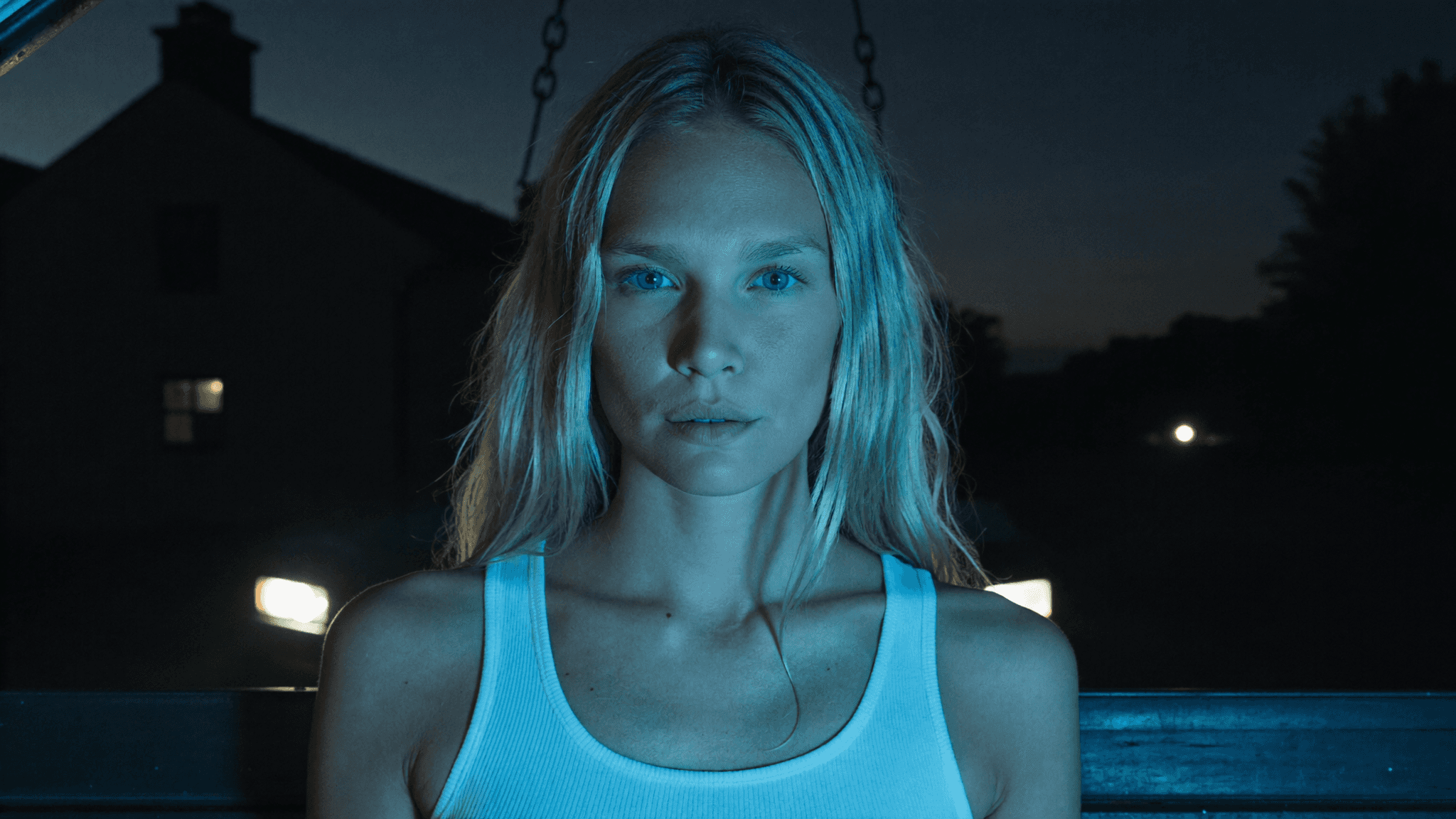
Mia represents that approach. She is not designed to conceal her digital nature, but to explore what can be created through it. Her existence is not an attempt to manufacture a fake human life. It is an invitation to discover new ways of performing, visualizing, and telling stories.
Connecting Technology, Art, and Awareness
AI-generated digital influencers are evolving from an isolated trend into a new category of character and narrative asset. Their market growth may be considerable, but their lasting cultural relevance will depend on something deeper: the stories artists choose to tell through them.
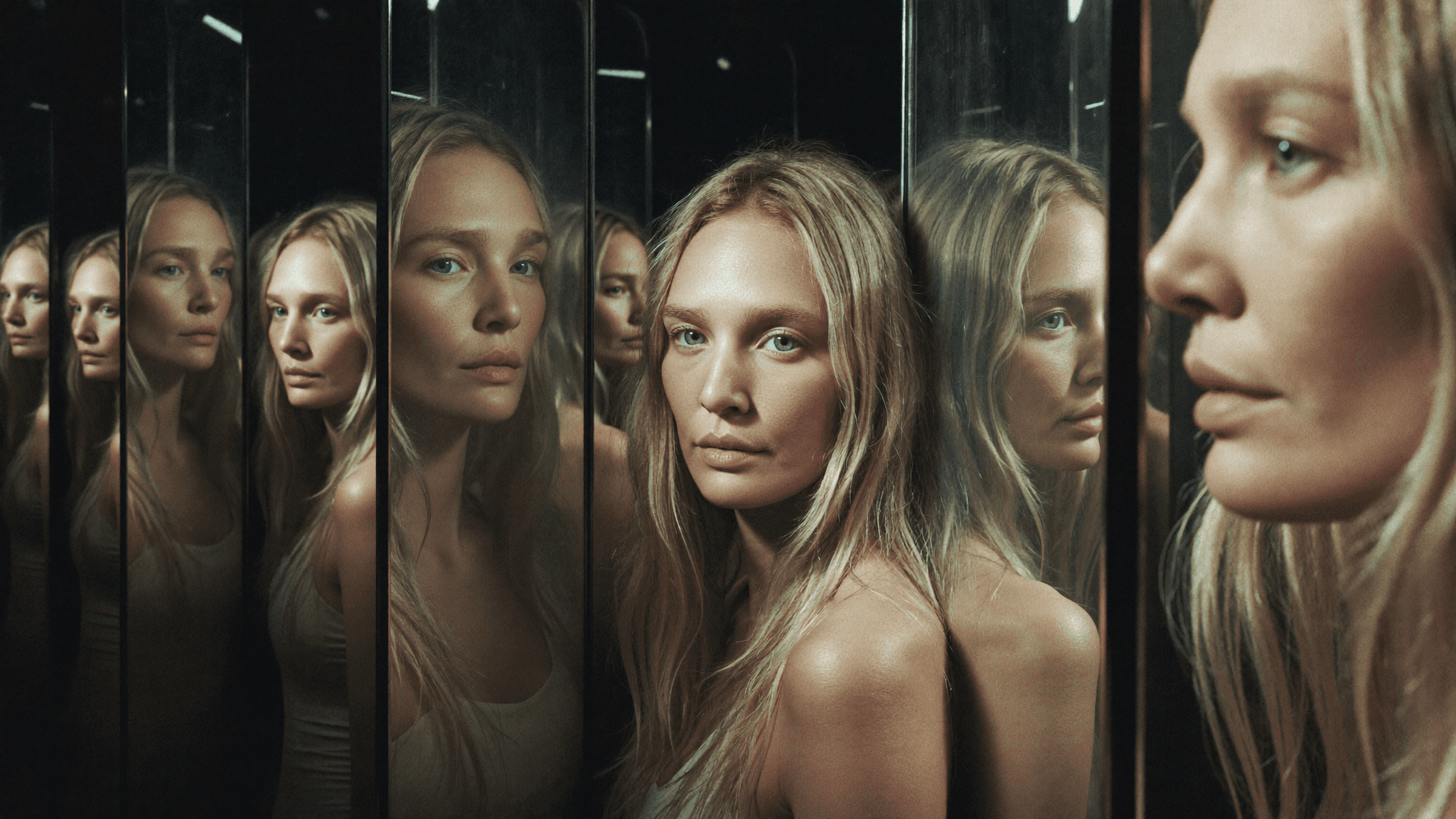
With Mia and the series beginning with A Dream of a Dream, artificial intelligence becomes a medium for translating sleep phenomena into cinematic experiences. The aim is to create images that can unsettle, move, and inform viewers—while helping more people recognize an experience they may have lived through without knowing how to describe it.
Sometimes, understanding an experience begins in exactly that way: by discovering that it has a name, that it can be shared, and that we are not the only ones who have lived it.
Frequently Asked Questions
What is an AI-generated influencer?
An AI-generated influencer is a digital character created partially or entirely with technologies such as generative AI, CGI, animation, and synthetic voice. The character may develop an identity, publish content, collaborate with brands, or perform in audiovisual productions.
Will virtual influencers replace human influencers?
It is more likely that both models will coexist. Virtual characters offer new narrative and production possibilities, while human creators bring lived experience, social relationships, and authenticity rooted in their real lives.
What is the difference between an avatar and a digital character?
An avatar may function only as a visual representation. A developed digital character also has a narrative identity, including a personality, history, motivations, voice, and recognizable world.
What is a false awakening?
A false awakening is a dream in which someone believes they have woken up even though they remain asleep. The experience can feel extremely realistic and may sometimes repeat several times within the same dream sequence.
Are false awakenings a sleep disorder?
False awakenings are not necessarily considered an independent sleep disorder. They are studied as phenomena connected to REM sleep and intermediate states between sleeping and waking. Anyone experiencing frequent episodes, significant distress, or disrupted sleep should consider consulting a qualified sleep specialist or healthcare professional.
Sources
Grand View Research. “Virtual Influencer Market Size To Reach $45.88Bn By 2030.” https://www.grandviewresearch.com/press-release/global-virtual-influencer-market
KBV Research. “Virtual Influencer Market Size & Analysis Report to 2030.” https://www.kbvresearch.com/virtual-influencer-market/
Mainieri, G. et al. “Are sleep paralysis and false awakenings different from REM sleep and from lucid REM sleep?” Journal of Clinical Sleep Medicine (2021). https://pmc.ncbi.nlm.nih.gov/articles/PMC8020694/
Sodré, M. E. et al. “Awake or Sleeping? Maybe Both… A Review of Sleep-Related Dissociative States.” Journal of Clinical Medicine (2023). https://pmc.ncbi.nlm.nih.gov/articles/PMC10299622/