AI Fashion Content: How I Generate Models, Style Them, and Place Them in Any Location
From model generation to garment fitting to location placement — a transparent breakdown of how professional AI fashion content gets made.
Most brands come to me with one of two briefs: they need clean, consistent ecommerce content at scale, or they need a full campaign with models in cinematic locations. The tools overlap, but the process is different — and understanding how it works demystifies what AI fashion content actually is, and why it looks professional when it's done right. Here's the full process, from model generation to final asset.
Step 1: Model generation — starting with the brand's target
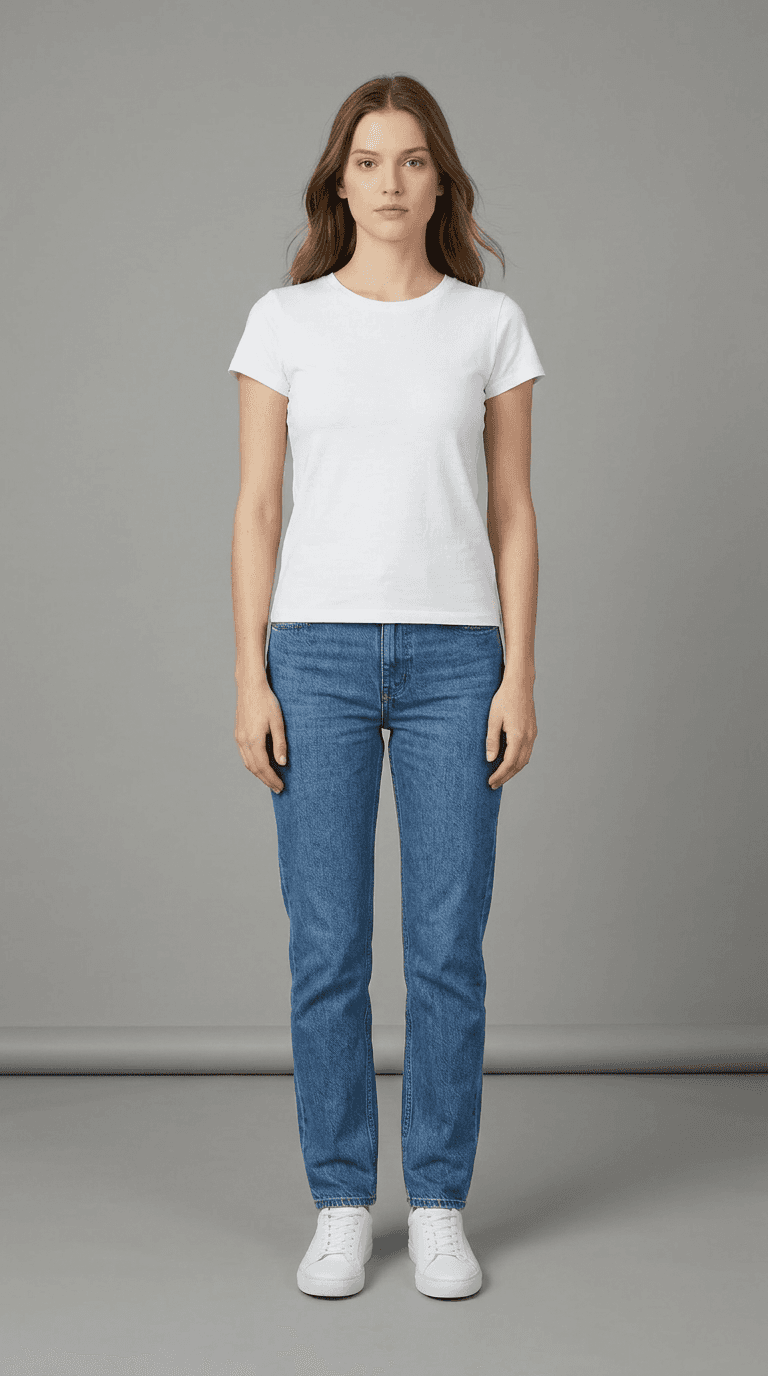
The first decision is who the model is. This isn't arbitrary — it comes directly from the brand's target audience. A campaign for a youth streetwear label looks nothing like one for a premium women's ready-to-wear brand, and the model needs to reflect that from the start.
Depending on the brief, I work in one of two ways. If the brand has a defined visual identity with existing campaign references, I use those as the creative foundation — building a model that feels like a natural extension of the world they've already established. If the brand is starting fresh or wants to explore new territory, I develop the character from a written and visual brief: age range, cultural background, energy, attitude.
The goal at this stage isn't to generate a random person. It's to generate the right person for that specific brand and campaign.
Step 2: Fitting — working with the brand's actual product
This is where the brand's product enters the process. Brands typically send me photos of their garments — usually on mannequins or flat lays — and my job is to dress the generated model in those exact pieces.
This is one of the most technically demanding parts of the process. The garment needs to behave correctly on the body: fabric weight, drape, fit, how it moves. A stiff denim jacket sits differently than a flowing silk dress, and the AI needs to understand that distinction to produce a result that looks like a real fitting, not a digital costume.
Getting this right requires detailed direction at every iteration — adjusting how the fabric interacts with the body, correcting proportions, ensuring the product reads clearly and accurately. The brand is trusting that their product looks its best. That's a responsibility I take seriously.
Step 3a: Ecommerce — clean background, product focus
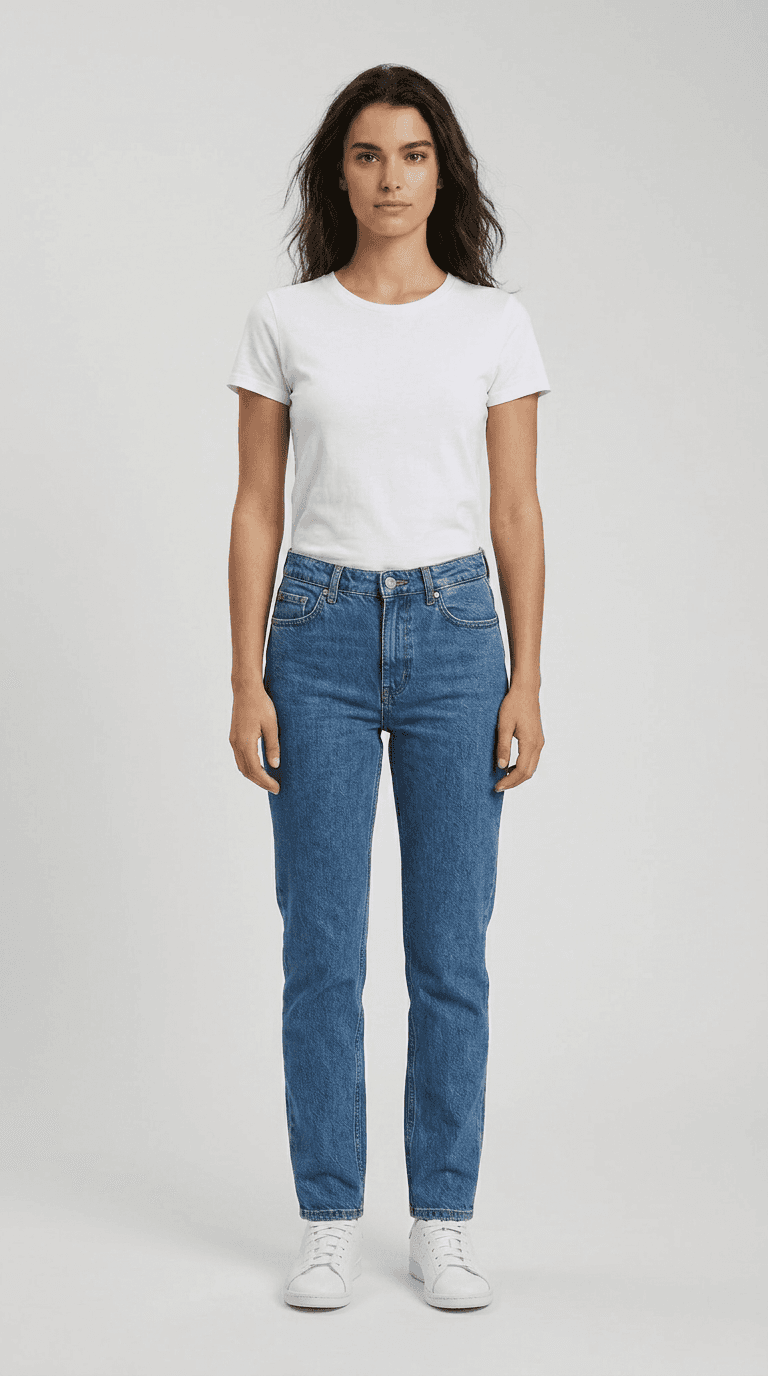
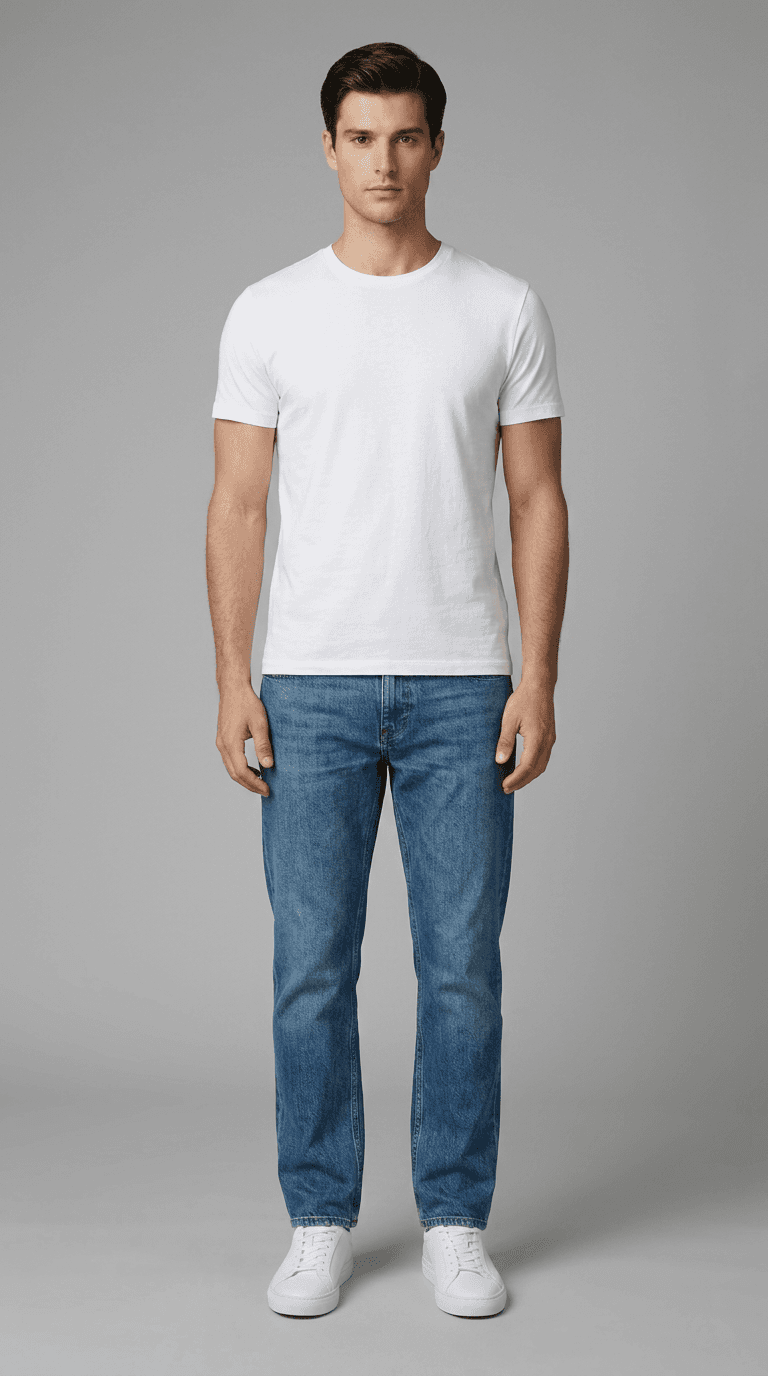
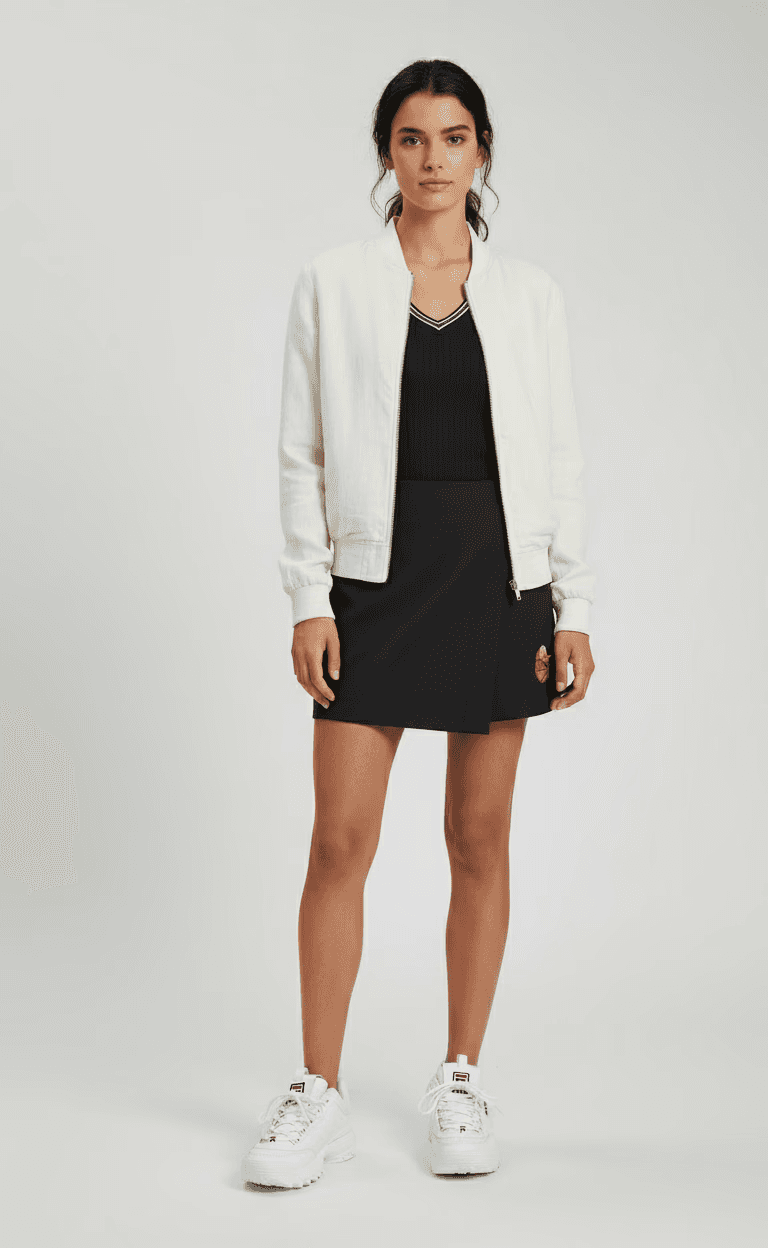
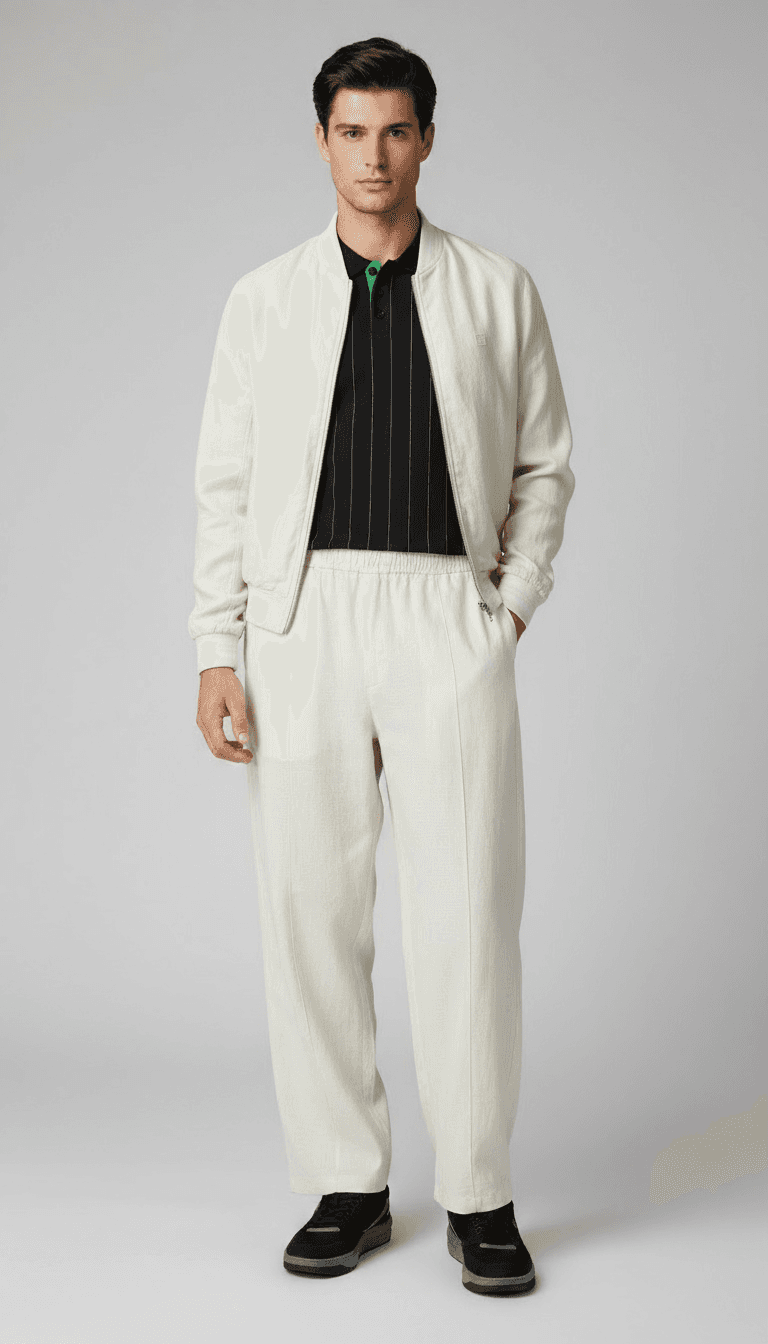
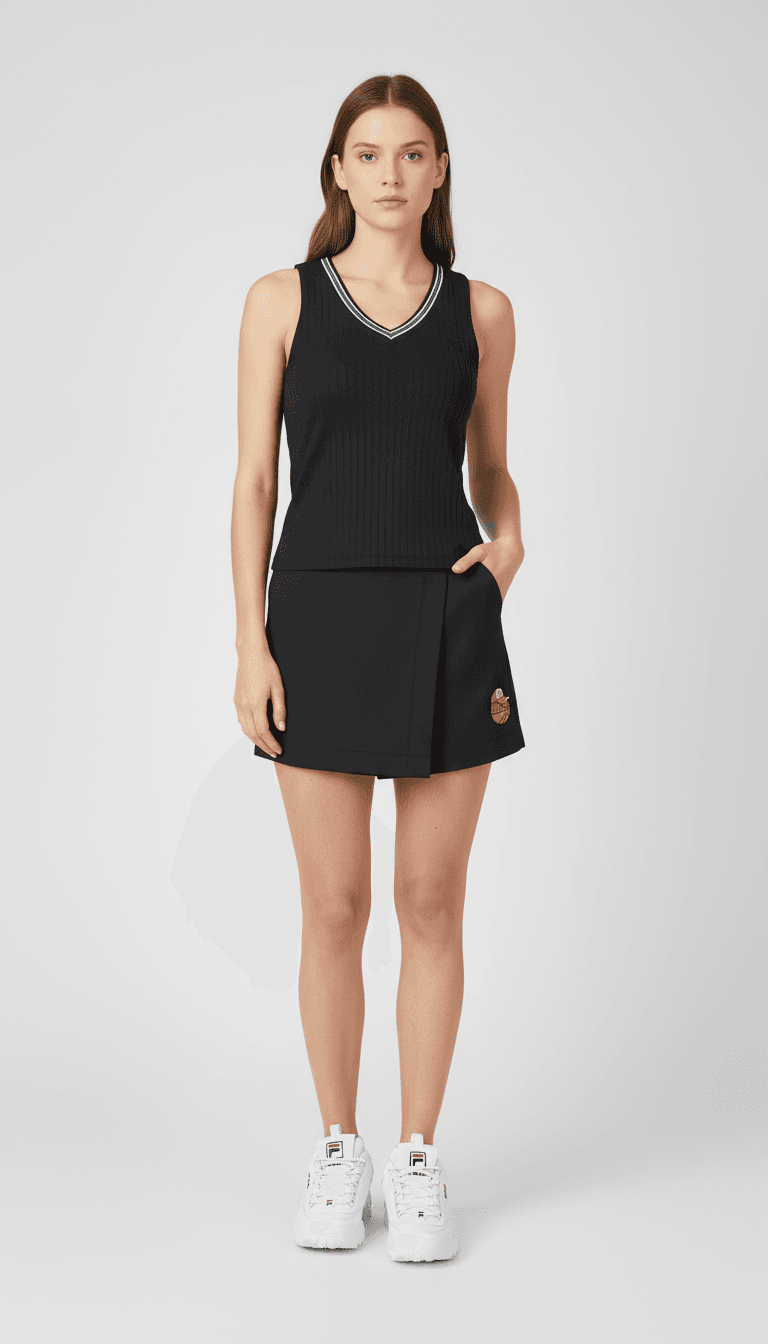
For ecommerce content, the destination after fitting is straightforward: a clean white or neutral background, consistent lighting, multiple angles if needed. The focus is entirely on the product.
What AI direction changes here is scale and consistency. A brand that needs 50 SKUs shot on-model no longer needs 50 separate studio sessions. The model is consistent across every image. The lighting is identical. The framing follows the same logic throughout the entire catalog.
For ecommerce, this is a production efficiency argument as much as a creative one — same quality, dramatically less time and cost.
Step 3b: Campaign — location proposal and model integration
For campaign content, the process takes a different path after fitting. Before the model goes anywhere, I develop a location proposal.
This means building a set of visual environments that are coherent with the campaign's creative direction — the color world, the mood, the cultural context. These are presented to the client for validation before any integration happens. The client sees exactly where their product and model will live before committing to a direction.
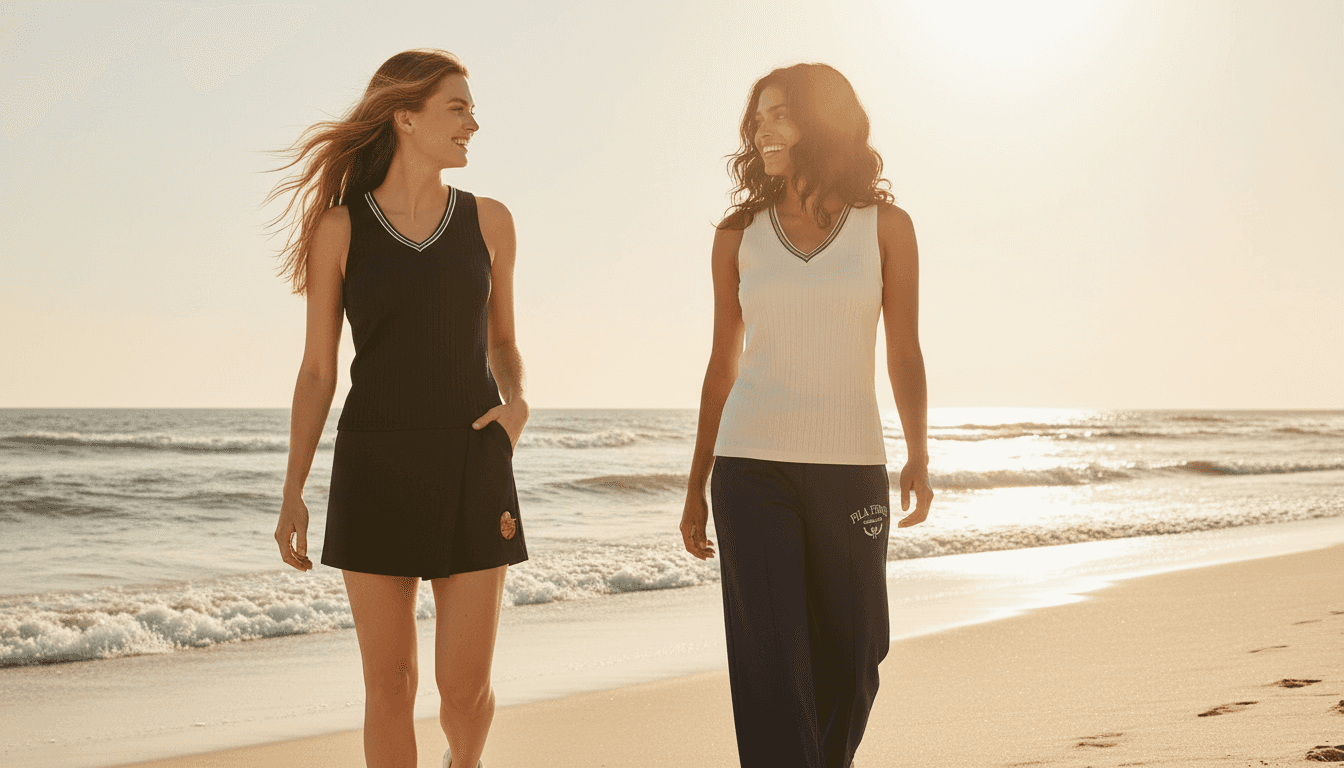
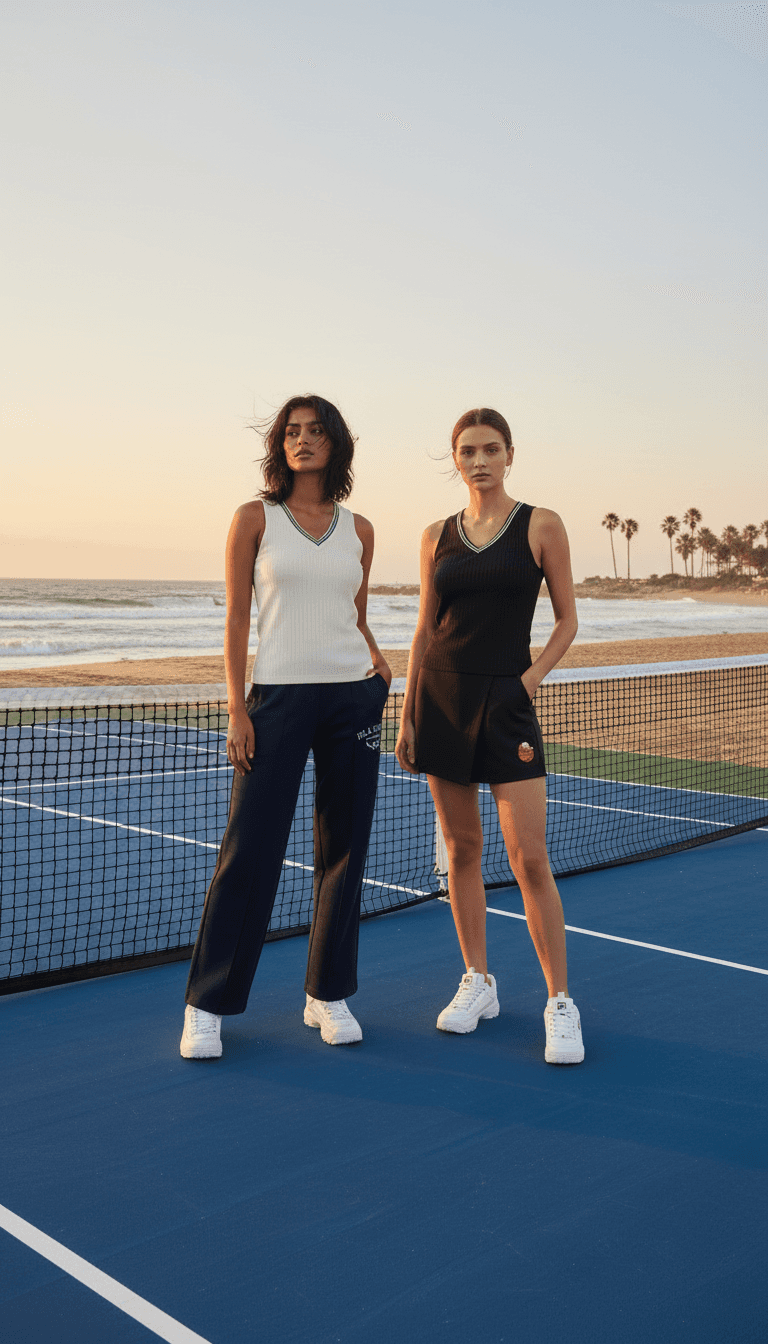
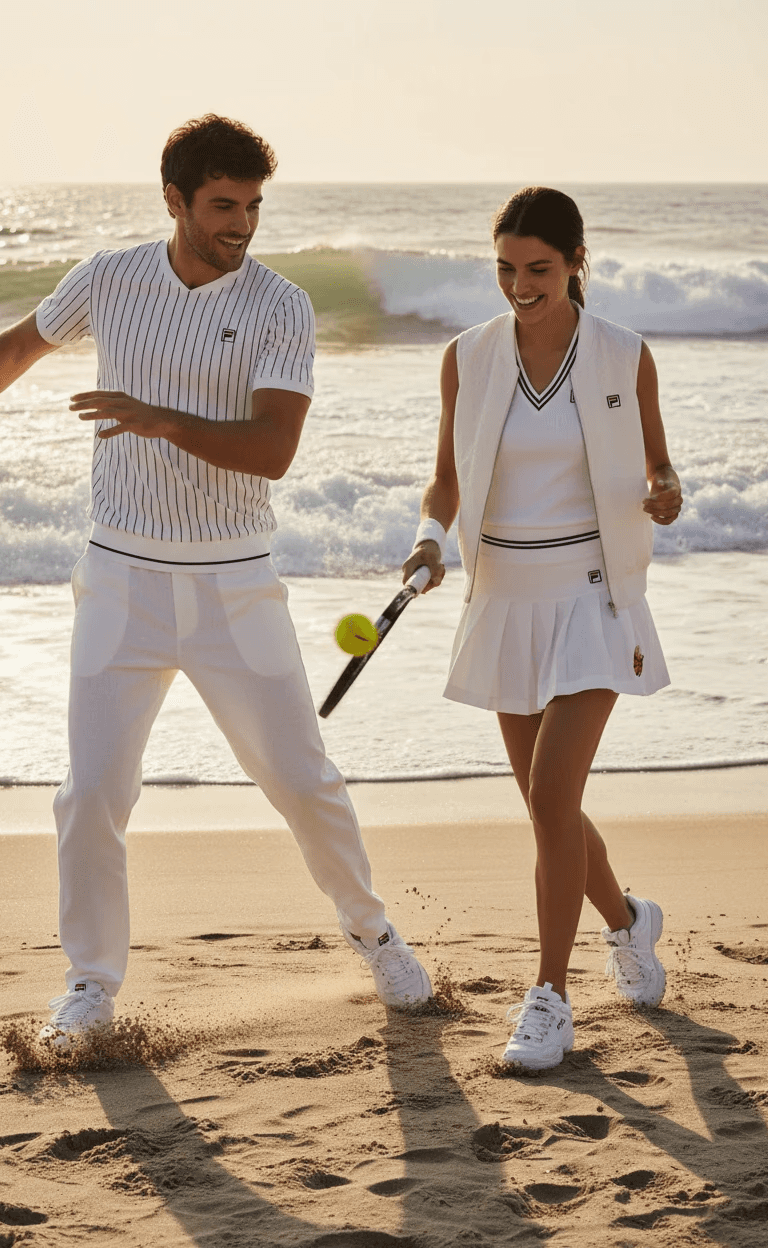
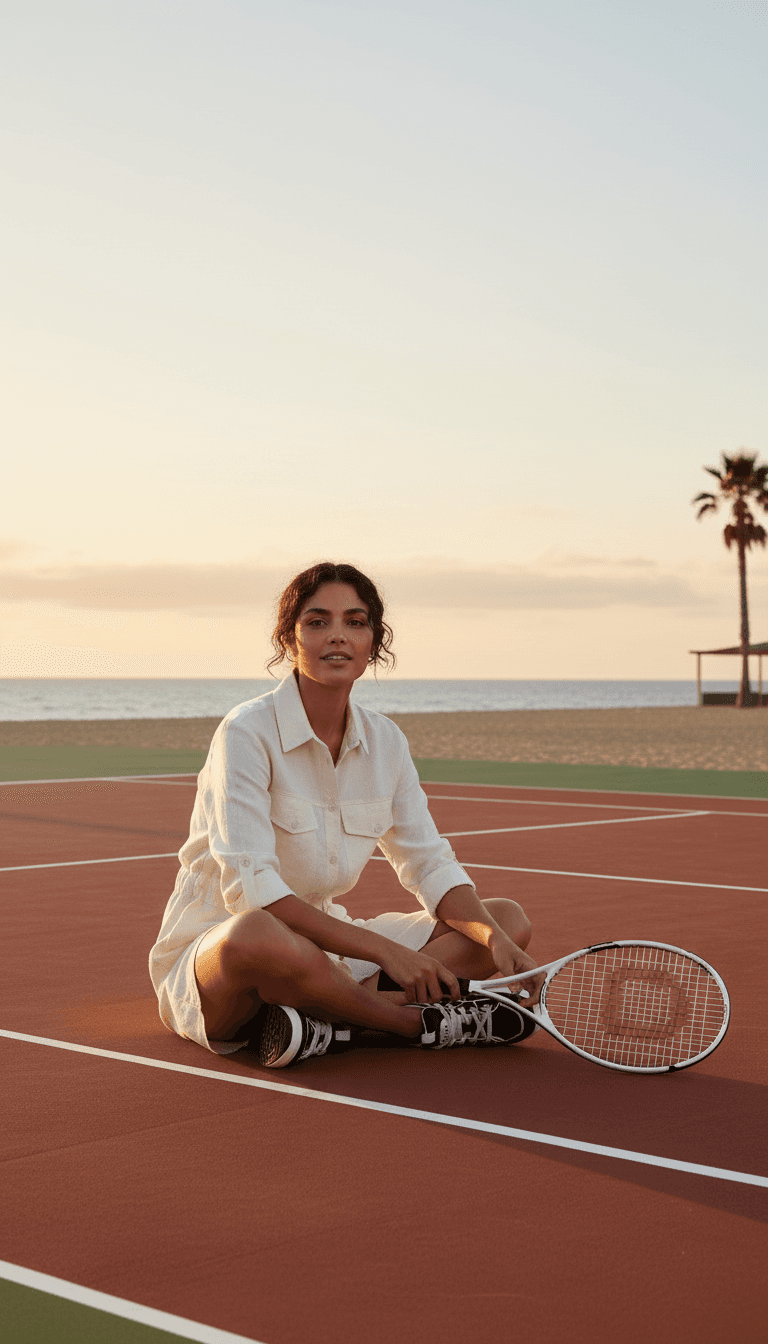
Once locations are approved, the model is integrated — and this is where the distinction between AI integration and traditional photo montage matters most. A montage puts a cutout into a background. An AI integration builds the model and the environment together, with coherent light sources, matching shadows, and spatial logic that makes the scene feel like it was photographed in that location.
The result doesn't look like a composite. It looks like a campaign shoot.
Why the process produces professional results
The difference between AI fashion content that looks cheap and AI fashion content that looks like a high-end campaign isn't the tool — it's the direction behind every step.
Model generation requires understanding people, not just prompts. Fitting requires understanding garments and how they behave on bodies. Location integration requires understanding cinematography and light. Each stage demands a specific creative and technical skill set.
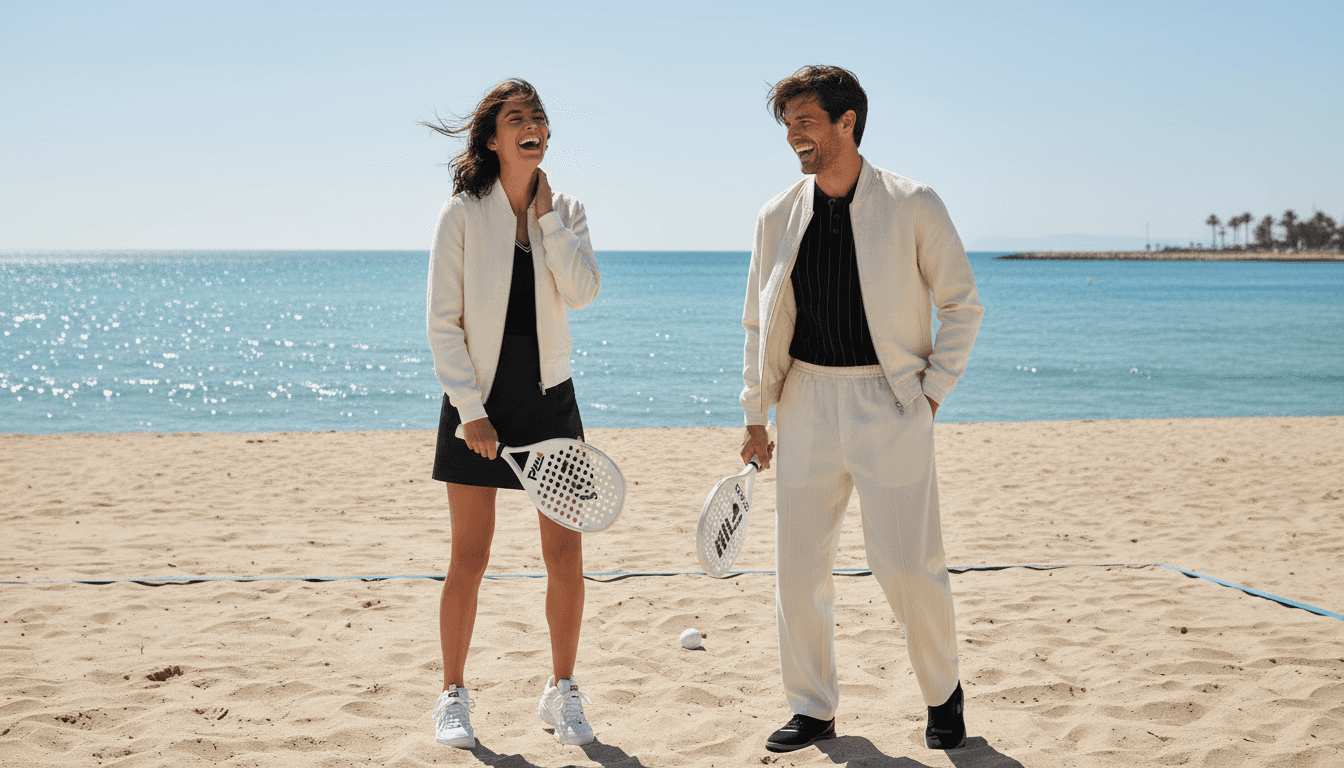
When those skills are applied with precision, the output is indistinguishable from traditional production — and it gets there in a fraction of the time and cost.
If you're a brand looking to scale your visual content — whether for ecommerce or campaign — I'd love to hear about your next project.